Home design and construction are changing fast. Today’s homes are simpler, smarter, greener and more connected to the outdoors, and many of these ideas are easy to use whether you are planning a new build or a small update.
This guide covers the main trends: modern design styles, new construction methods, outdoor living, color and texture, and wellness-focused features. Use it to decide which ideas suit your home, your budget and the way you live.
Modern Design Styles
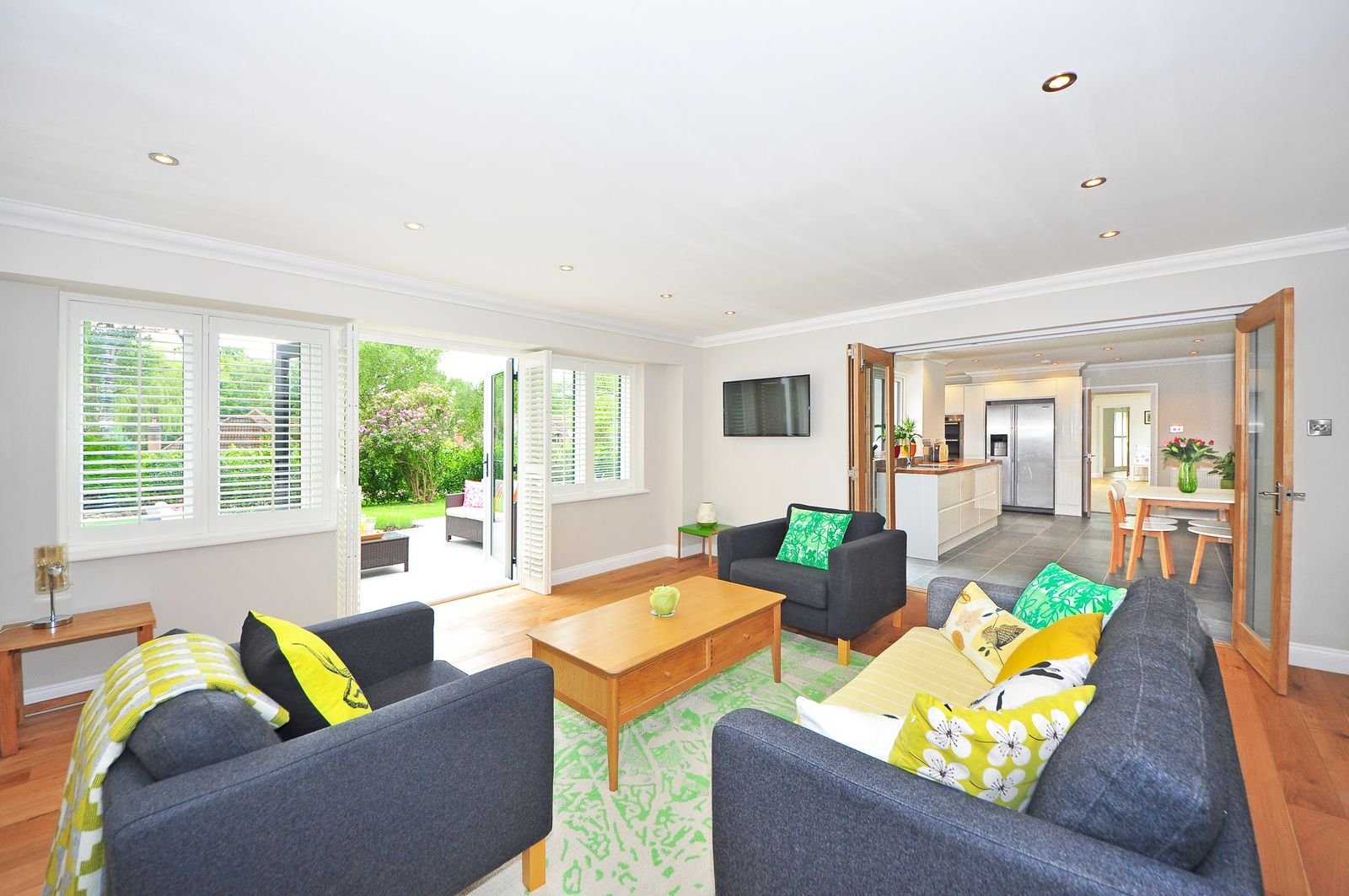
Modern design focuses on simplicity, function and beauty. It uses clean lines and open spaces to create homes that feel calm, fresh and easy to live in.
Minimalist Interiors
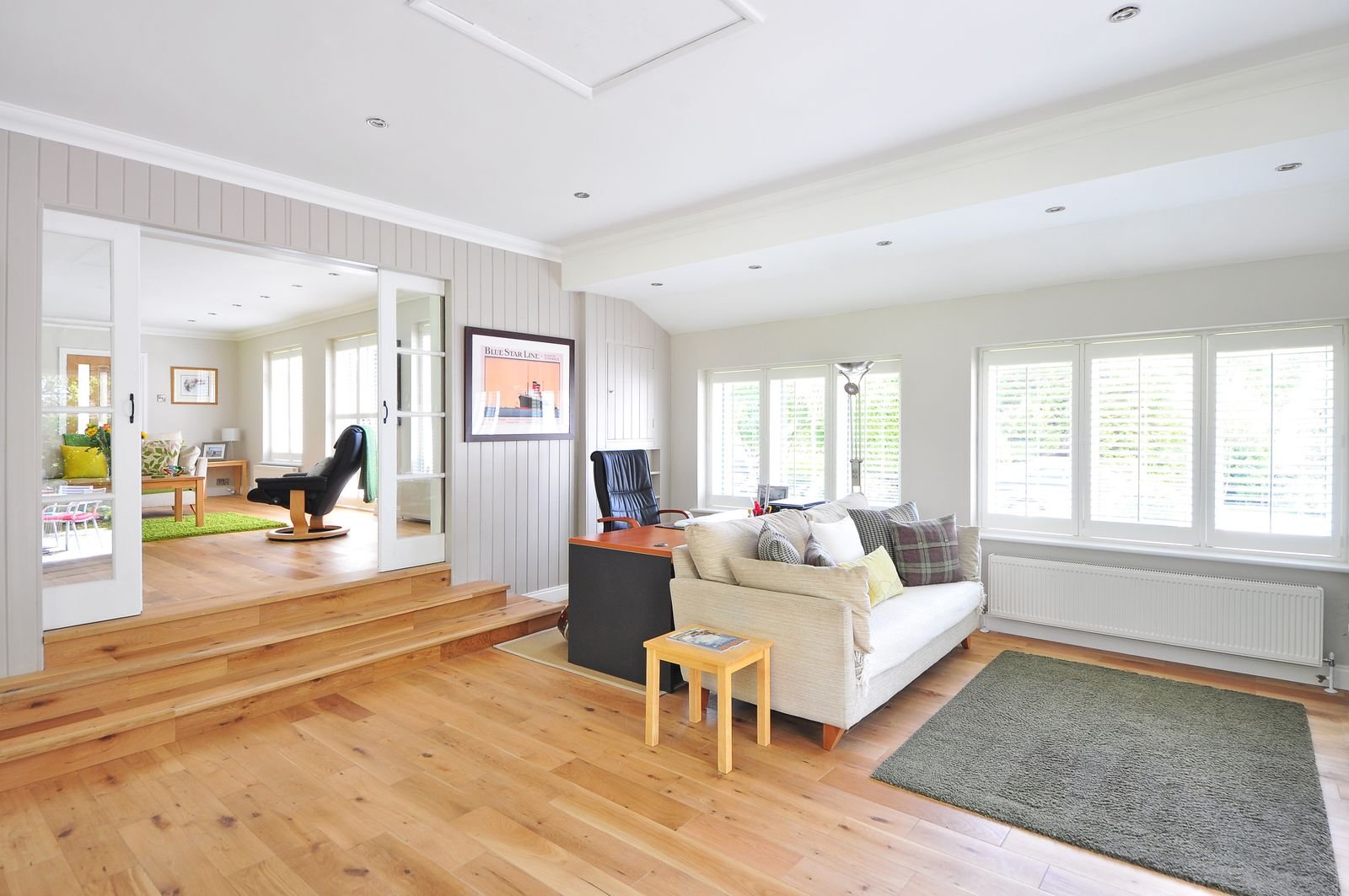
Minimalist rooms use fewer items and simple shapes. Colors are soft, often white, gray or beige, and furniture is sleek and practical. The style helps rooms feel larger and more peaceful, and it makes cleaning and organizing easier. Minimal does not have to mean cold: add one or two natural textures, such as a wool throw or a wooden stool, to keep the room welcoming.
Sustainable Materials
Sustainable materials come from nature or reuse old products. Wood, bamboo and stone are popular, and so are recycled metal and reclaimed timber. They are durable, which saves money over time, and they give a home a warm, natural look. For more eco-friendly ideas, see our guide to eco-friendly house design.
Smart Home Integration
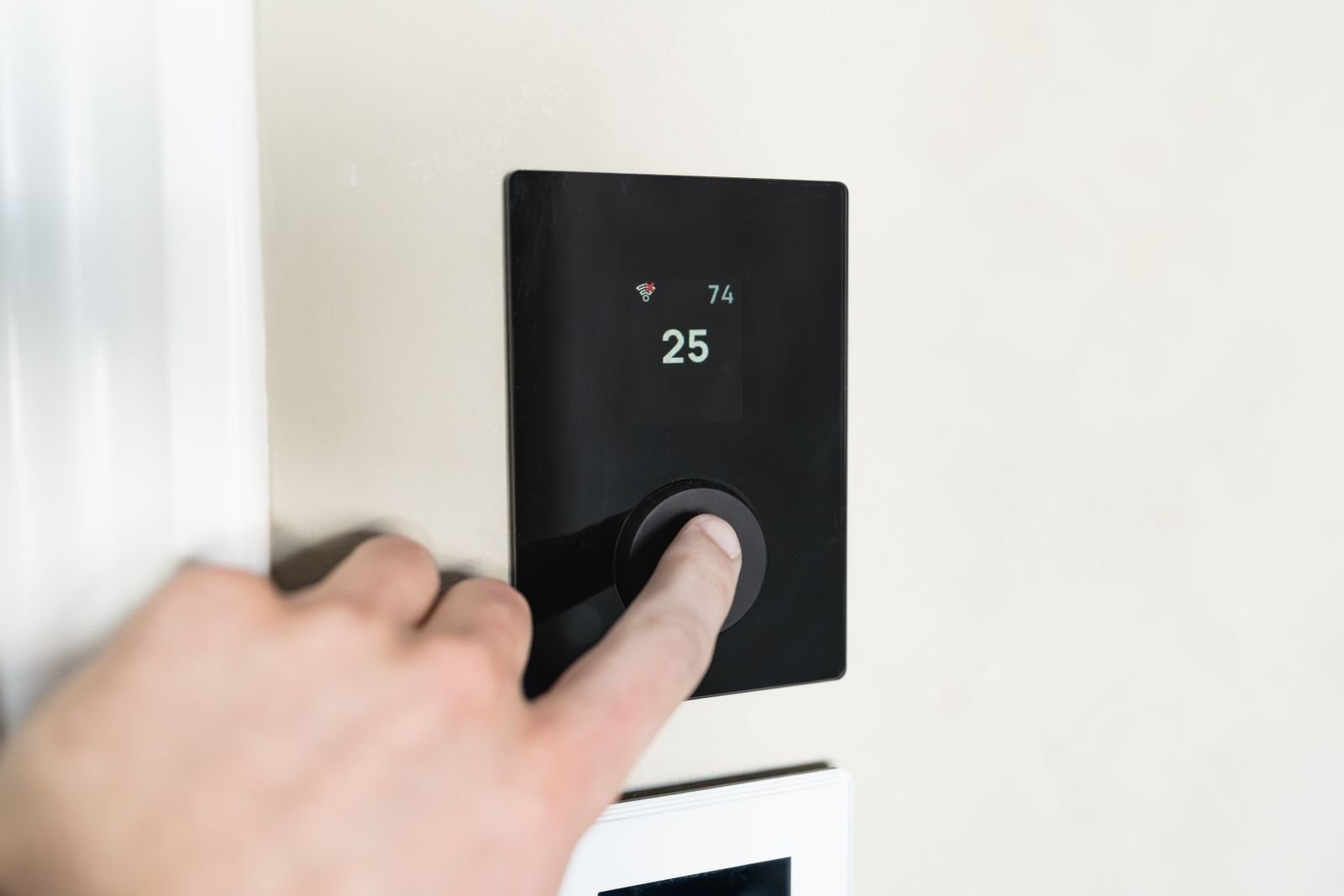
Smart technology adds comfort and safety. Lights, heating and security can be controlled through apps or voice commands, which makes daily tasks faster. Smart thermostats and lighting schedules can also help reduce energy use. Start small with one or two devices before building a full system, and choose products that work with the same app. Our article on smart home decor ideas shows how to blend technology into your rooms.
Innovative Construction Techniques
Builders are adopting new methods that save time, cut waste and improve safety on site. These techniques are shaping how homes are built.
Prefabrication and Modular Building
Prefabrication means building parts of a home in a factory and assembling them on site. Modular building uses complete sections made off-site. Factory work is less affected by weather, so quality is more consistent and projects often finish faster.
3D Printing in Construction
3D printing builds walls and structures layer by layer using special concrete or other materials. It can reduce material waste and labor needs, and it allows more freedom for unusual shapes. The method is still developing, so it is not yet available everywhere.
Energy-Efficient Building Methods
Energy-efficient building focuses on lowering power use. Builders use better insulation, high-performance windows and solar panels to keep homes warm in winter and cool in summer. Renewable energy lowers a home’s carbon footprint and can reduce running costs.
Outdoor Living Spaces
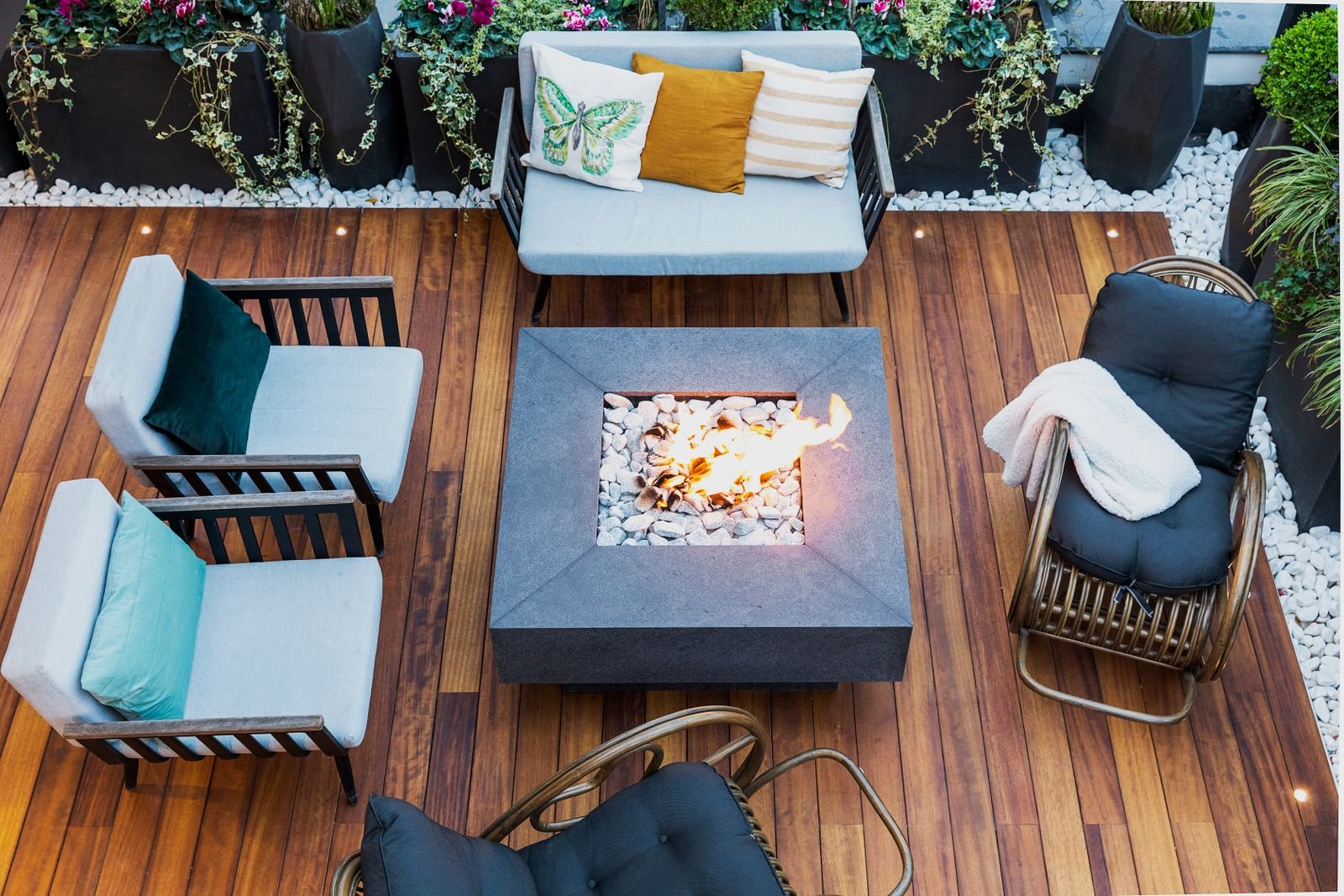
Outdoor areas have become a key part of modern home design. People want to enjoy fresh air and nature at home, with comfortable places for family, friends and cooking. Designers make these areas more usable and link them closely to the indoor spaces.
Expanded Patios and Decks
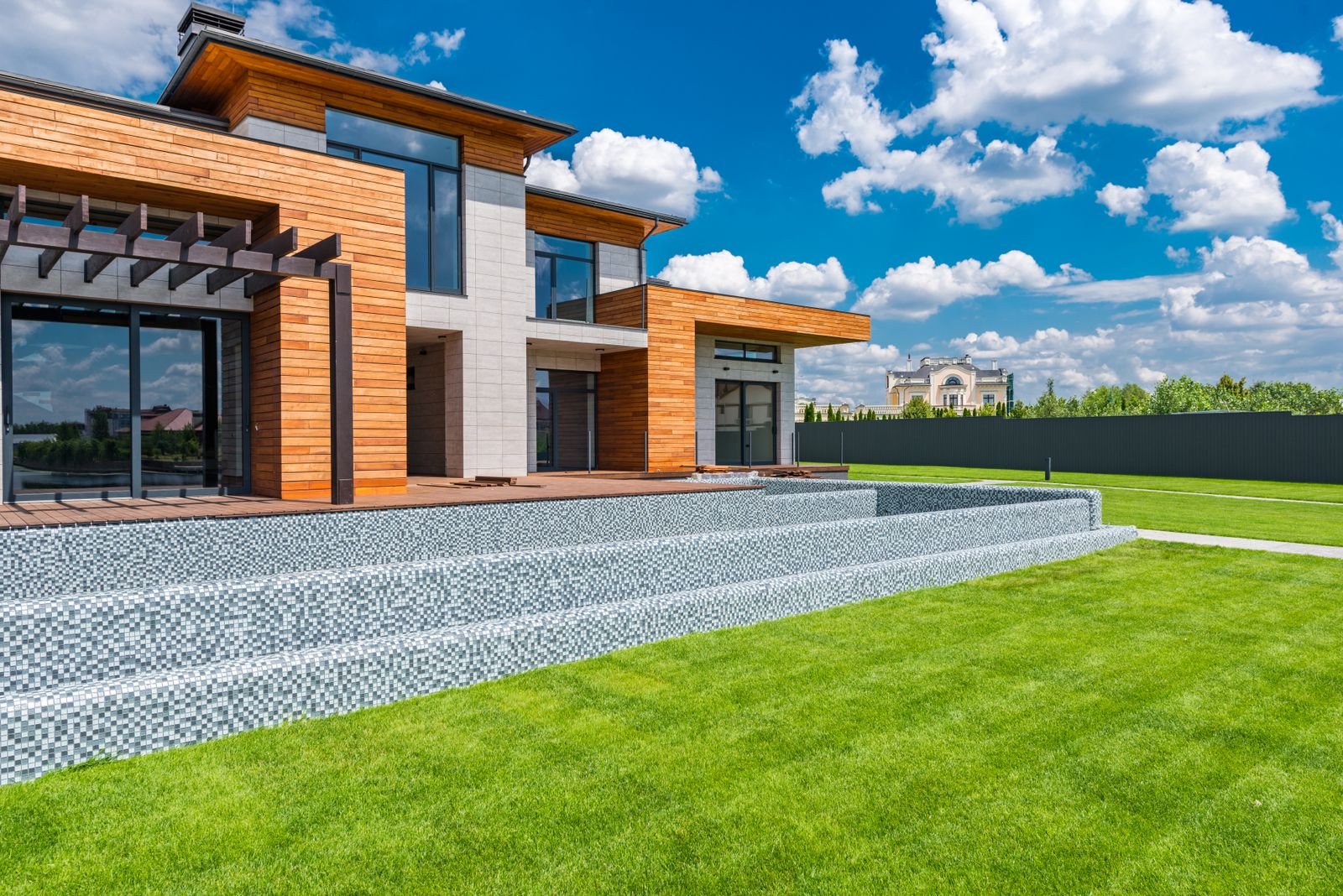
Patios and decks are larger than before, with room for dining, lounging and cooking. Wood, stone and composite materials are popular because they last and look good. Built-in seating and fire pits make evenings outside cozy.
Indoor-Outdoor Flow
Large glass doors that open wide connect living rooms to patios. This blurs the line between home and garden, lets light fill the house and allows fresh air to circulate. Using the same flooring tone inside and out strengthens the effect.
Eco-Friendly Landscaping
Landscaping now focuses on nature and saving water. Native plants need less care and water, and rain gardens and natural drainage protect the yard. Local plants also support birds and insects.
Color and Texture Trends
Color and texture give a room personality and set its mood. Whether you want calm or energy, it starts with these choices.
Earth Tones and Natural Finishes
Beige, brown and soft greens create a warm, calm feel. Natural finishes such as wood and stone add real texture and bring the outdoors in.
Bold Accent Colors
Bright blue, red or yellow adds energy. Use them on one wall or in a few furniture pieces to create contrast without overwhelming the room. For more color inspiration, see our look at the top home decor trends.
Mixed Materials and Textures
Combining smooth metal with rough wood and soft fabric adds depth. A layered mix of materials makes a room interesting and invites touch.
Focus on Wellness
People want homes that support health and comfort. Wellness features create spaces that feel fresh, bright and calm.
Air Quality and Ventilation
Good air quality is essential. Ventilation systems bring fresh air in and remove stale air, which helps reduce dust, allergens and moisture and prevents mold. Open windows regularly, and use extractor fans in kitchens and bathrooms.
Natural Light
Natural light improves mood and energy. Designers add large windows and skylights and arrange rooms to catch daylight. Light colors and reflective surfaces spread the light further and make rooms look bigger.
Home Gyms and Relaxation Areas
Many homes now include a small gym with basic equipment or a quiet corner with soft seating. These areas support mental balance and make the home feel like a personal retreat.
How to Use These Trends in Your Home
You do not need a full renovation to follow current trends. Start with changes that fit your budget and have the biggest daily effect.
- Swap heavy curtains for lighter fabrics to let in more daylight.
- Repaint one room in an earth tone and add a natural material such as wood or stone.
- Install a smart thermostat or LED bulbs to lower energy use.
- Add a few potted native plants to your patio or balcony.
- Declutter one room at a time to get the minimalist feel without buying anything new.
Frequently Asked Questions
What Are the Top Home Design Trends Right Now?
Sustainable materials, smart home technology and open floor plans lead the way. Natural textures, earthy colors, minimalist styling and multifunctional spaces are also popular. All focus on comfort, efficiency and eco-friendliness.
How Is Technology Shaping Modern Home Construction?
Technology brings smart automation, energy-efficient systems and advanced building materials. Builders use 3D modeling and drones for precise planning and monitoring, which supports faster, more cost-effective building.
Why Are Sustainable Materials Important in Home Design?
They reduce environmental impact by using renewable, recycled or low-waste resources. They can also improve energy efficiency and lower utility costs over time.
What Role Does an Open Floor Plan Play in Current Homes?
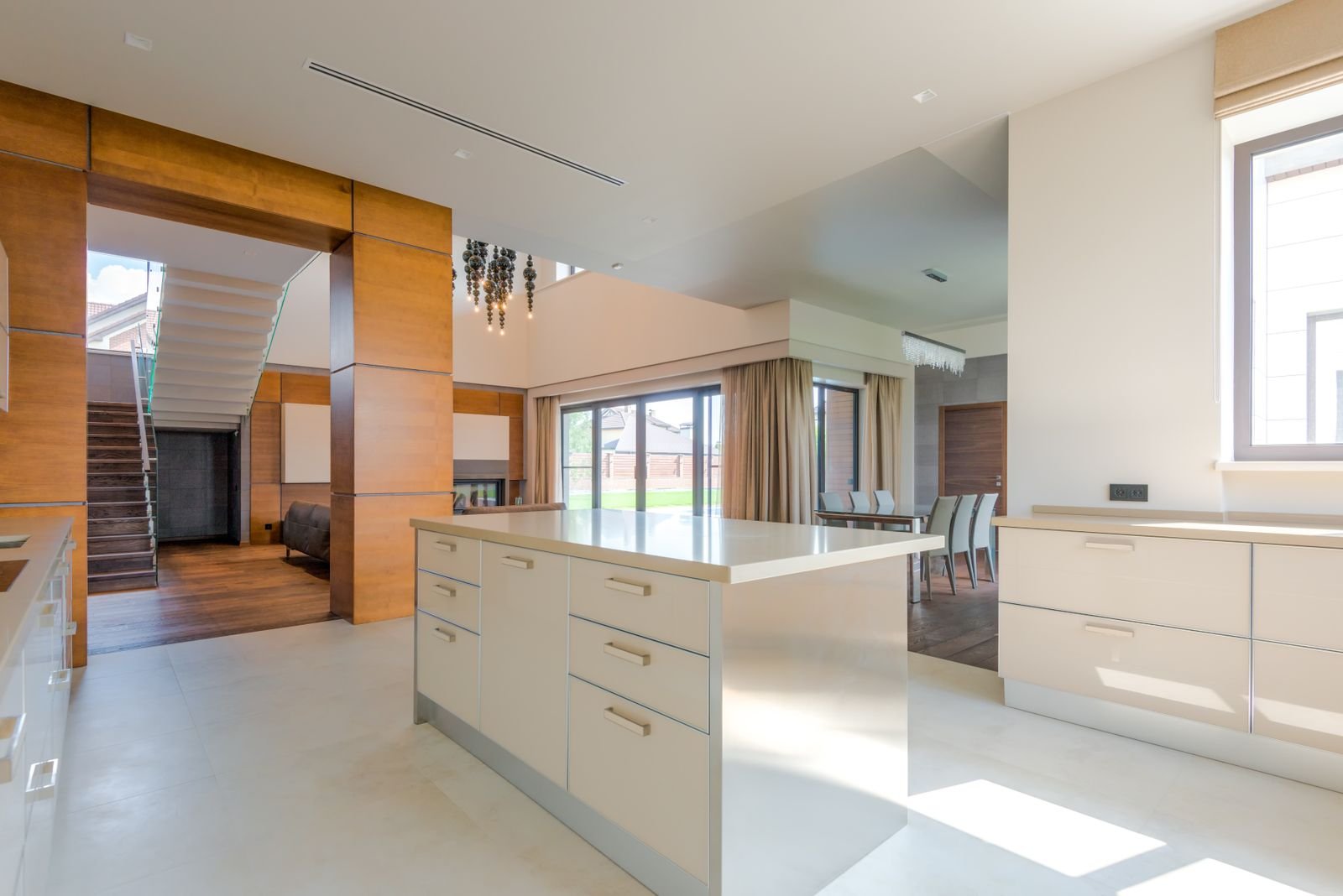
Open plans create flexible living areas that bring in more light and airflow. They combine kitchen, dining and living spaces, which suits modern lifestyles and encourages people to spend time together.
Conclusion
Today’s home design trends center on simplicity, function and comfort. Natural materials, eco-friendly choices, smart technology and outdoor living all play a part. You do not need to adopt every trend. Choose the ones that fit your home and budget, make small changes first, and build a space that works for the way you live.