Orange and teal is a bold color pair that brings energy and calm into the same room. When you balance them well, your home feels warm, fresh and full of personality.
This guide explains why the two colors work together, how to choose shades, and how to use them in the living room, bedroom, kitchen and dining area. You will also find tips on patterns, lighting and the mistakes to avoid.
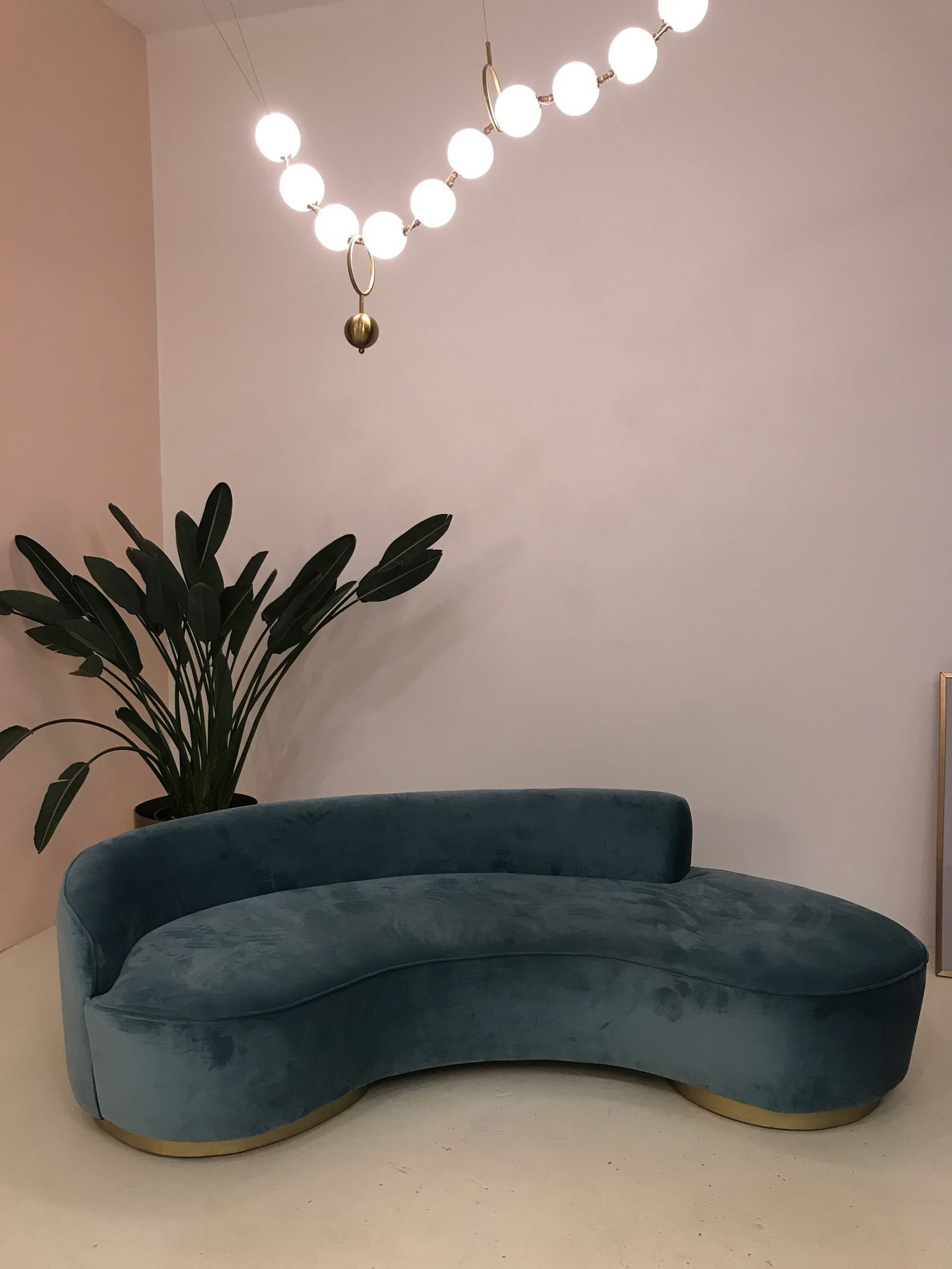
Why Orange and Teal Work Together
Orange is lively and cheerful. Teal, a mix of blue and green, feels calm and soothing. Together they create a space that is both energetic and relaxing.
Complementary Colors Create Interest
Orange and teal sit almost opposite each other on the color wheel, which makes them complementary colors. Complementary colors look stronger when placed side by side, so even a small touch of orange on a teal background stands out.
A Balance of Warm and Cool Tones
Orange adds warmth and energy, while teal cools the room down. The balance stops a space from feeling too hot or too cold and keeps it comfortable and welcoming.
Versatile for Different Styles
The pair suits mid-century modern, bohemian, coastal and contemporary homes. It can be bold with saturated shades or soft with muted ones, so it adapts to your taste and the size of your room.
Choose the Right Shades
Both colors come in many variations, and the shades you pick set the mood of the whole room.
Warm Oranges and Cool Teals
Warm oranges such as pumpkin, coral, terracotta and burnt orange feel friendly and cozy. Teals that lean toward blue feel like the sea, while those that lean toward green feel like a forest pool. Pair a rusty orange with a deep, blue-leaning teal for a sophisticated look, or a bright tangerine with a light aqua for a playful one.
Balance Brightness and Tone
Use bright shades for small accents such as pillows, art and vases. Use softer or muted tones for walls and large furniture. Too much brightness tires the eyes, and too much softness feels dull, so aim for a mix that feels lively but calm. A good guide is to use one color for about 60 percent of the colored elements, the other for about 30 percent, and a neutral for the rest.
Living Room Ideas
The living room is the easiest place to try the combination, because it has big surfaces and plenty of small accessories.
Accent Walls and Furniture
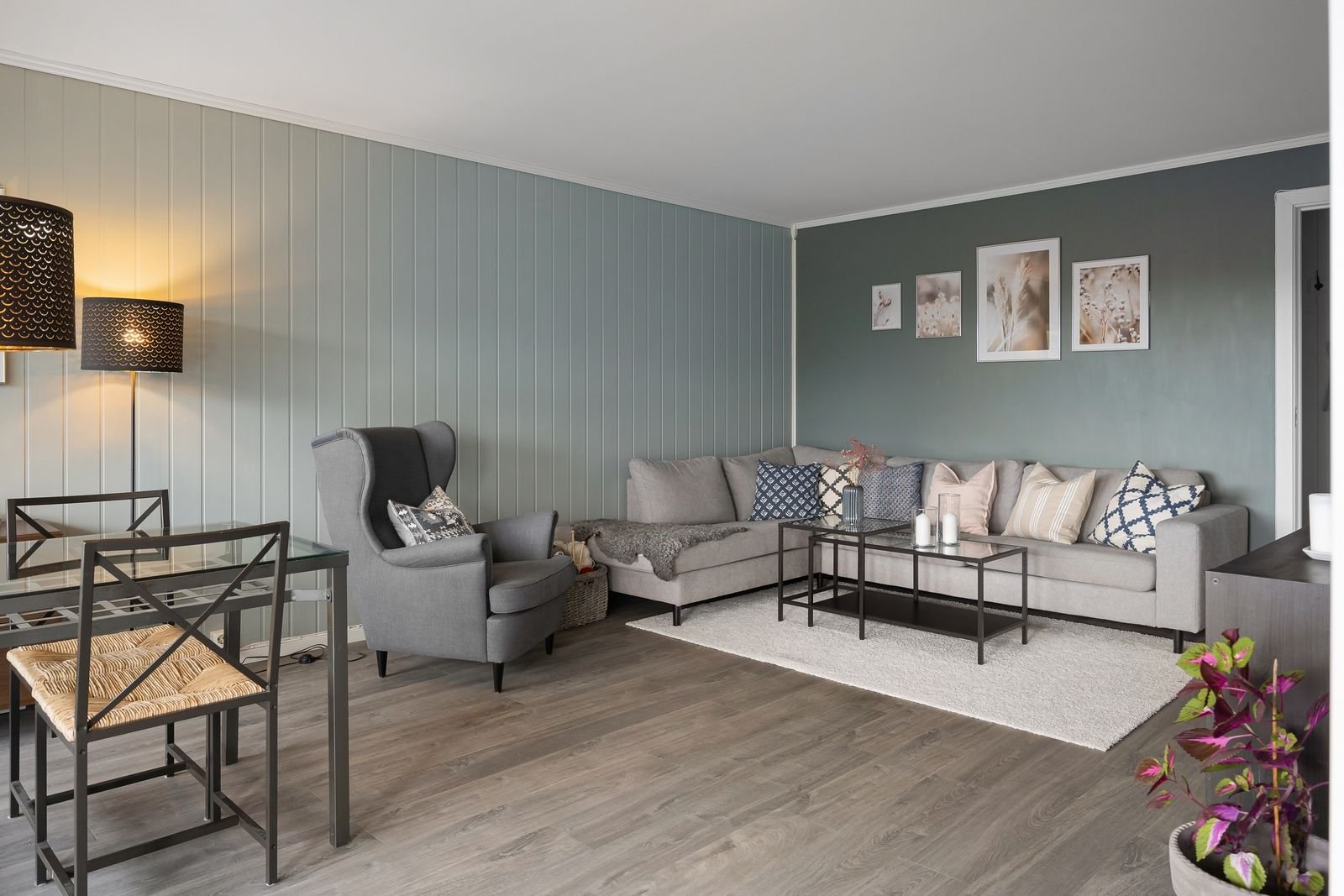
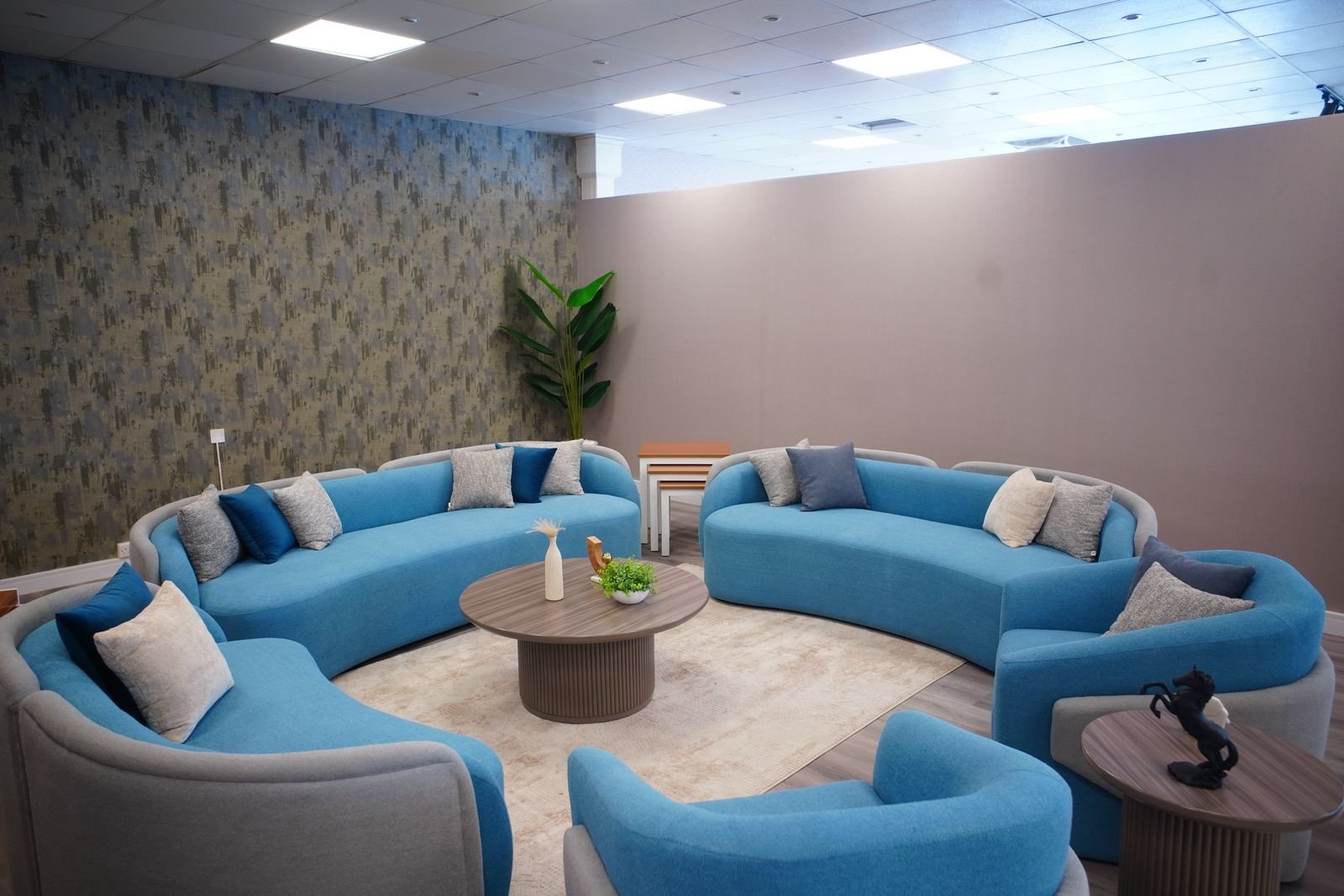
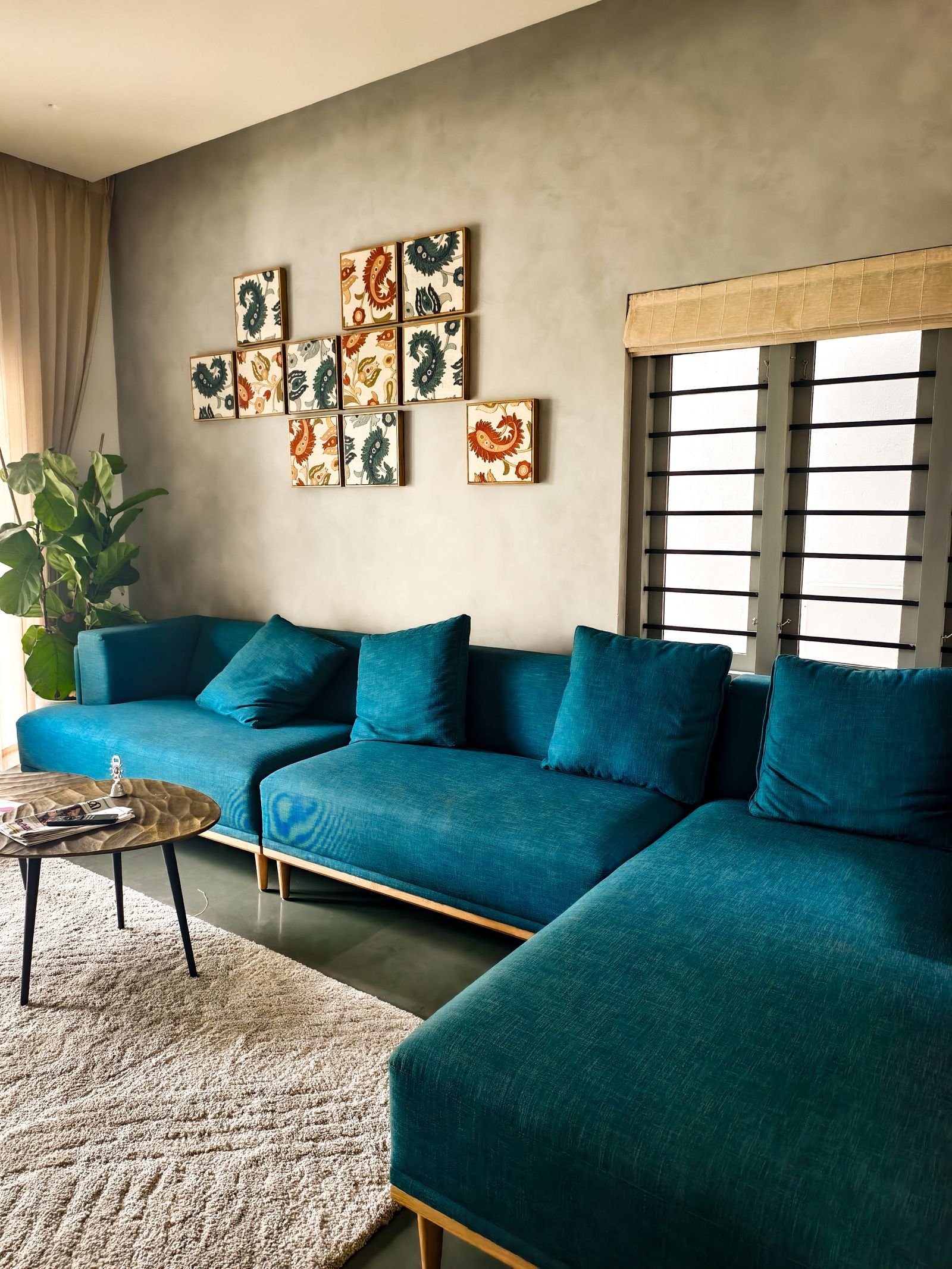
Paint one wall in teal for a bold backdrop, and keep the other walls neutral. An orange armchair or ottoman looks striking against it. If you prefer a calmer room, choose a teal sofa and add one orange chair as a surprise. A teal bookshelf styled with orange objects also works well. For more layout ideas, see our guide to living room decor.
Textiles and Accessories
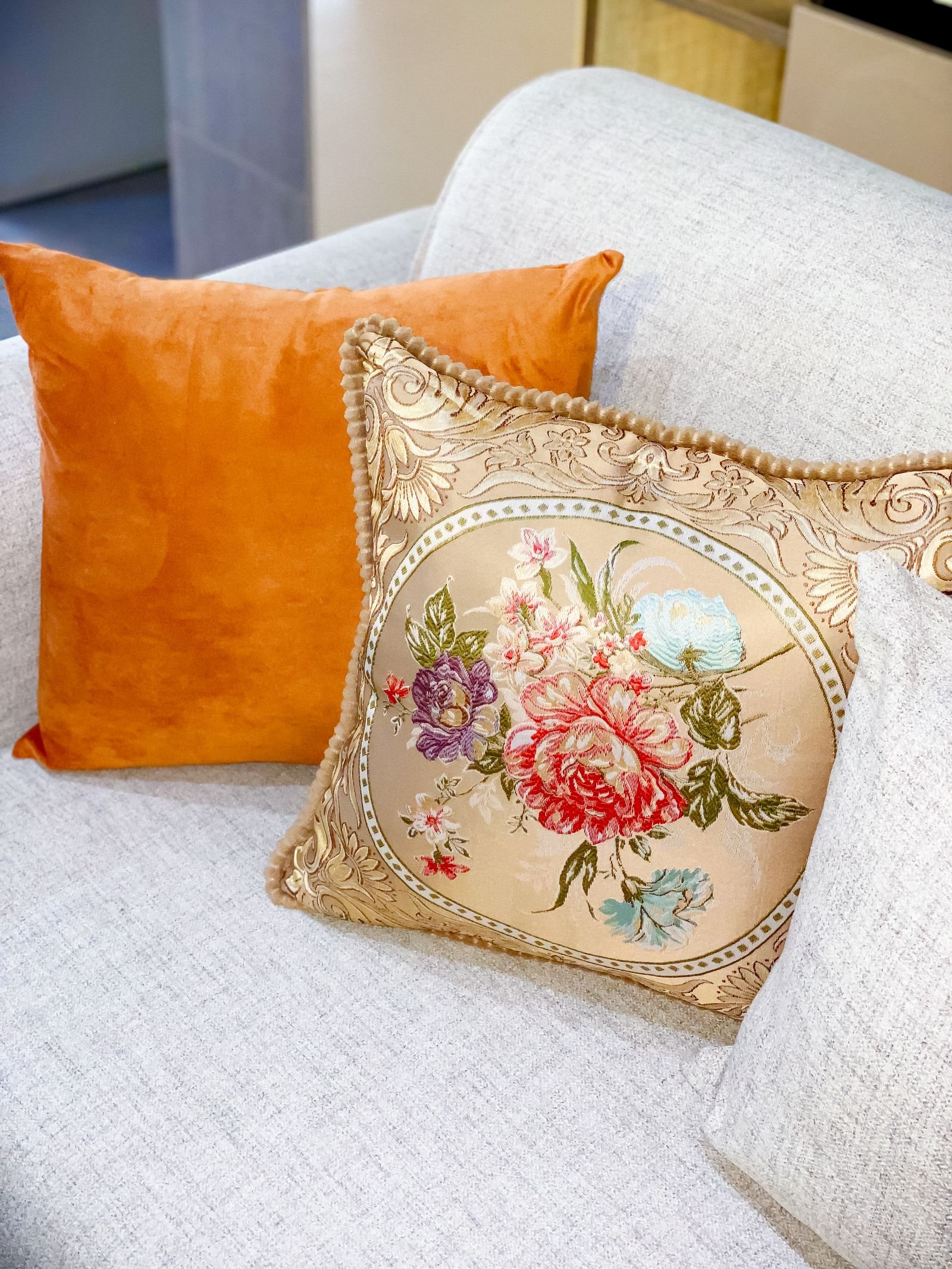
Layer orange and teal pillows and throws on a neutral sofa. Mix solid colors with simple patterns, and choose a rug in teal with orange accents to warm the floor. Lampshades, vases and artwork in these colors add subtle touches, and teal curtains frame the windows while softening the light.
Bedroom Styling Tips
A bedroom in orange and teal can feel fresh and restful if you keep one color in charge and use the other as a highlight.
Bedding and Curtains
A teal duvet with orange pillows adds color without too much noise. Light teal curtains keep the room bright and airy. Choose smooth, cozy fabrics such as cotton, linen or velvet, and layer patterns lightly. Simple stripes or small prints are easy to live with.
Decorative Accents
Add orange and teal cushions, lamps and rugs for pops of color, and use vases or picture frames to balance them. Keep most surfaces neutral, mix matte and shiny finishes for depth, and avoid putting strong orange close to the bed if you want a calmer atmosphere for sleep.
Kitchen and Dining Spaces
Small changes in the kitchen and dining area can make a big impact.
Cabinet Colors and Backsplashes
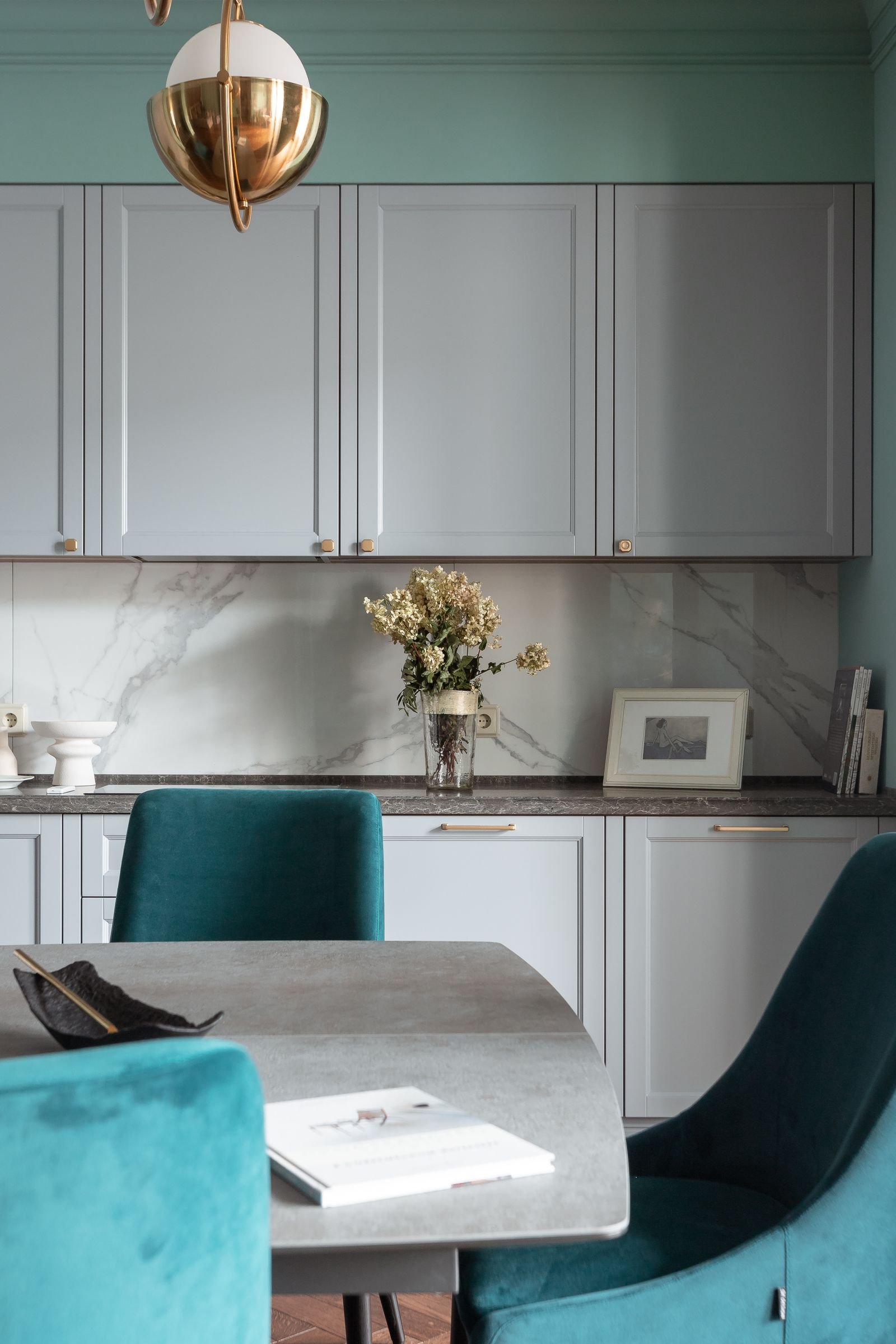
Teal cabinets give a cool, calming contrast, while orange cabinets add brightness. If you want both, try teal lower cabinets with a warm orange accent such as handles, a stool or a window frame. For a backsplash, teal tiles or a simple orange pattern make a bold statement. Choose simple designs so the space does not look busy.
Tableware and Linens
Plates, bowls and glasses in orange and teal brighten the table. Teal napkins on orange placemats, or the reverse, are an inexpensive way to try the look. Mix solid and subtly patterned linens to keep the table interesting but tidy.
Add Patterns and Textures
Patterns and textures keep a two-color scheme from feeling flat.
Geometric and Floral Designs
Geometric patterns bring structure, and their sharp lines contrast with the soft look of teal. Floral prints soften the scheme and add a natural feel. Mixing a geometric rug with floral cushions balances boldness and delicacy, as long as both share at least one color.
Mix Materials
Combine smooth, rough, soft and hard surfaces. A velvet teal sofa looks good with a woven orange rug. Wood adds warmth, metal adds a modern edge and glass reflects light. Fabrics such as linen, cotton and wool all take these colors well.
Use Lighting to Enhance the Palette
Light changes how colors look, so plan it with your paint and fabrics.
Warm White Bulbs
Warm white bulbs give a gentle glow that softens bold colors. They suit living rooms and bedrooms. Cool white bulbs can make orange look harsh and teal look gray, so avoid them in rooms where you want these colors to feel rich.
Accent Lighting
Spotlights or picture lights draw attention to artwork, cushions and textured walls. Our guide to home decor lighting ideas explains how to layer light in every room.
Natural Light and Dimmers
Daylight makes both colors look fresh, so keep windows clear or hung with sheer curtains. A dimmer switch lets you soften the contrast in the evening.
Common Mistakes to Avoid
Orange and teal are strong colors, and small errors can make a room look busy.
- Using too much of both colors. Let one lead and the other support it.
- Skipping neutrals. White, gray, beige and wood tones calm the scheme.
- Choosing clashing shades. Test paint and fabric samples together in your own light before you commit.
- Forgetting texture. Flat colors look dull, so add woven, knitted or velvet fabrics.
- Ignoring lighting. Check colors in morning, afternoon and evening light.
Personalize With Art and Decor
Art and accessories make the scheme feel like yours.
Create a Focal Point
A large painting or print in orange and teal anchors the room. Abstract or nature-inspired designs work well. Pick a frame that matches or contrasts with the wall, and keep nearby decor simple so the art stands out. Our tips on decorating with wall art can help you arrange pieces.
Add Color With Textiles
Pillows, rugs and curtains are easy to change with the seasons. Mix stripes, florals and geometric shapes, and layer textures for depth.
Choose Unique Pieces
Look for vases, lamps and sculptures in orange and teal. Handmade and vintage items add character, and small touches such as candles or bowls complete the look. Place pieces where you can see and enjoy them.
Frequently Asked Questions
What Colors Go With Orange and Teal in Home Decor?
White, beige, gray and natural wood tones work best. They balance the boldness of the pair and keep the room calm.
How Can I Use Orange and Teal in a Small Room?
Use teal on the walls for a cool backdrop and add orange in pillows, art or a single chair. This adds color without crowding the room.
Which Style Suits Orange and Teal Best?
Mid-century modern and bohemian styles show off the pair well, because both allow playful, warm color combinations.
Can I Mix Patterns With Orange and Teal?
Yes. Stripes, florals and geometric prints all work. Keep the patterns different in scale, and make sure they share a color.
How Do I Balance Orange and Teal in a Living Room?
Use teal for large pieces such as the sofa or a wall, and orange for smaller accents. This keeps the room lively but balanced.
Conclusion
Orange and teal bring energy and calm into one space, and they work in many rooms and styles. Choose one lead color, use the other as a highlight, add neutrals and texture, and test your shades in your own light. Start with cushions, curtains or wall art, and build the scheme from there.