The best home tool set is one you will actually use: it covers everyday repairs, is built to last, and fits your budget and skill level. With the right kit, hanging a shelf or tightening a loose hinge becomes a quick job instead of a trip to the hardware store.
This guide explains which tools every home needs, what to look for in a set, how budget, mid-range and premium kits differ, and how to keep your tools in good shape. It ends with a simple way to choose and answers to common questions.
Essential Tools for Every Home
A good tool set saves time and money, and it makes repairs safer. The right tools depend on the jobs you expect to do. Some tools work for many tasks, while others are made for one job, so a good set covers both the basics and a few specialty items.
Basic Hand Tools
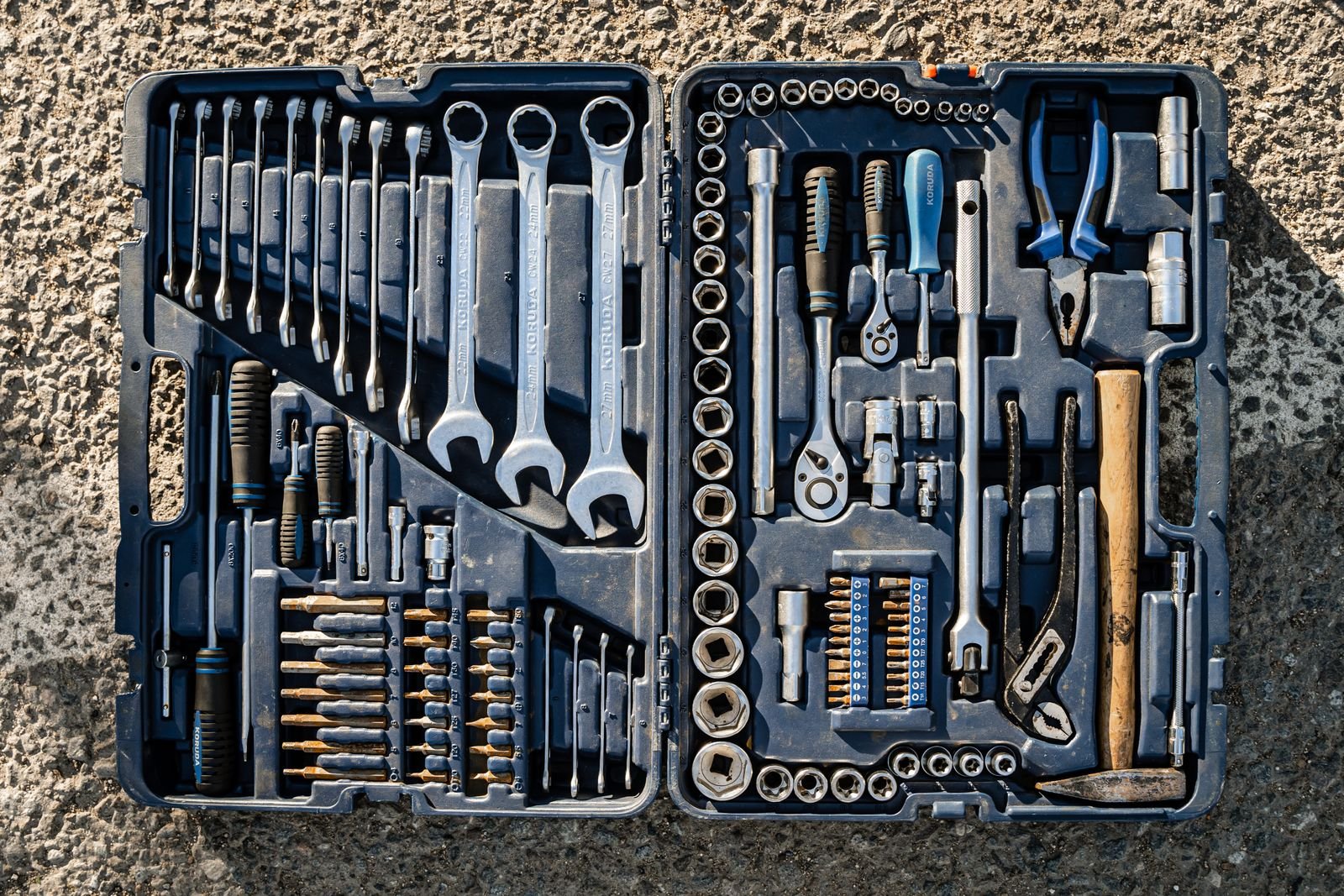
Hand tools are the foundation of any home kit.
- Hammer: for nails, small fixes and light tapping. A 16-ounce claw hammer suits most homes.
- Screwdrivers: you need both flathead and Phillips in several sizes.
- Pliers: for gripping and bending wire or small parts.
- Tape measure: a 25-foot tape handles most rooms and furniture.
- Wrench set: an adjustable wrench plus a set of fixed sizes fits nuts and bolts.
Together these handle most simple repairs.
Power Tools to Consider
Power tools save effort and work faster than hand tools. A cordless drill is the most useful one because it drills holes and drives screws. A jigsaw cuts wood and other materials, and an electric sander smooths surfaces quickly. Power tools need care and safe use, so wear safety glasses and read the manual first. They are best for bigger projects around the house.
Specialty Tools for Specific Jobs
Some jobs need a specialty tool. A stud finder locates wall studs so heavy items hang safely. A level keeps pictures and shelves straight, which helps when you follow our guide to decorating with wall art. A pipe wrench handles plumbing repairs, and a wire stripper is handy for simple electrical work. You will not use these every day, but they make certain fixes possible.
Top Features to Look For
Focus on durability, variety and how easy the set is to carry and store. These points decide how useful the kit will be and how long it lasts.
Durability and Build Quality
Strong tools last longer and handle tough jobs. Look for steel or chrome vanadium, which resist rust and damage. Solid handles give a good grip and reduce hand strain. Check for sturdy joints and tight fittings, and avoid tools that wobble or flex when you press on them.
Variety and Versatility
A good set includes tools for different tasks. Screwdrivers, pliers and wrenches are essential, and extra bits and accessories add more uses. Versatile tools mean you buy less later. Choose a set that covers basic repairs and small projects. Avoid sets padded with dozens of tiny pieces you will never use, because a smaller set of better tools is worth more.
Storage and Portability
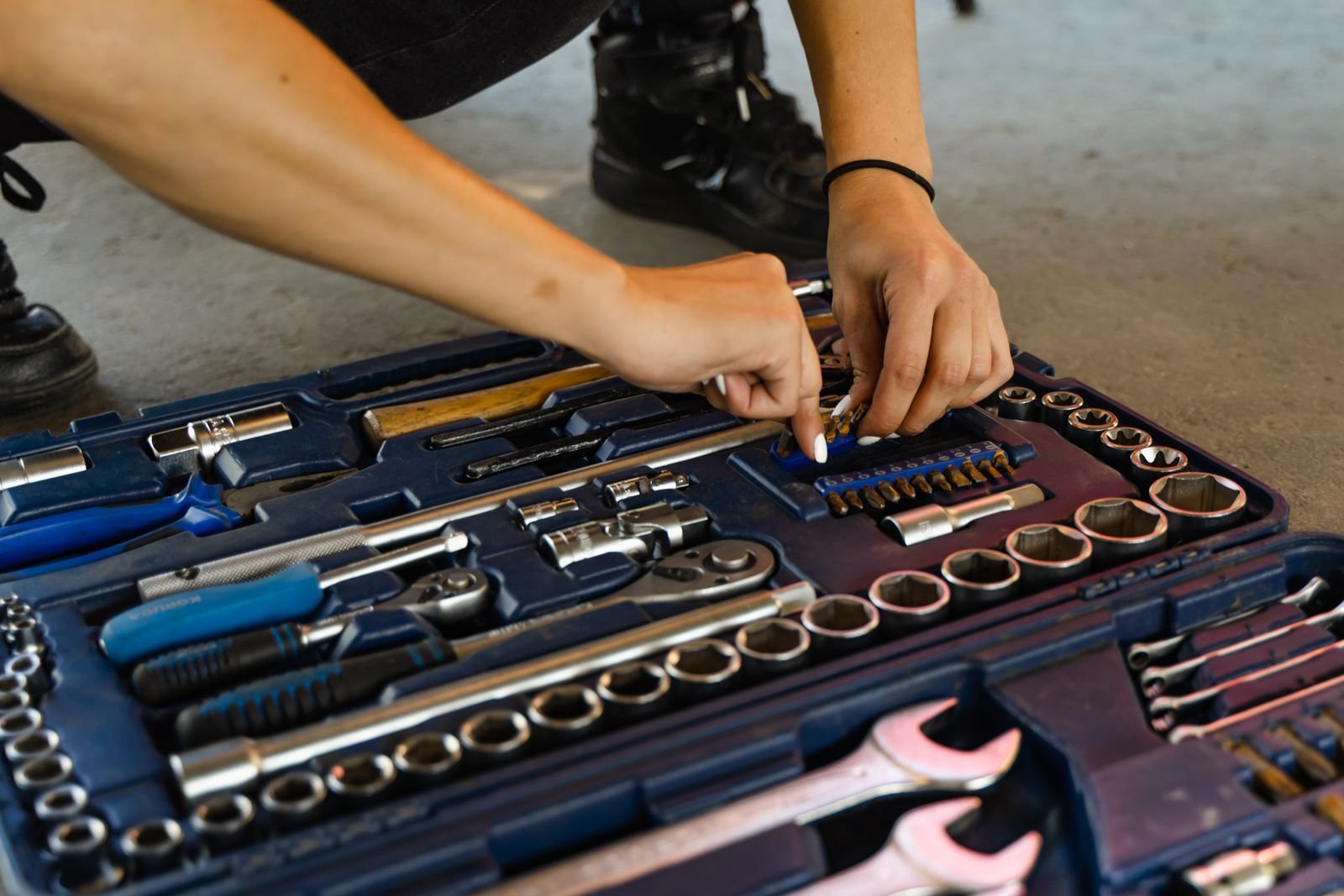
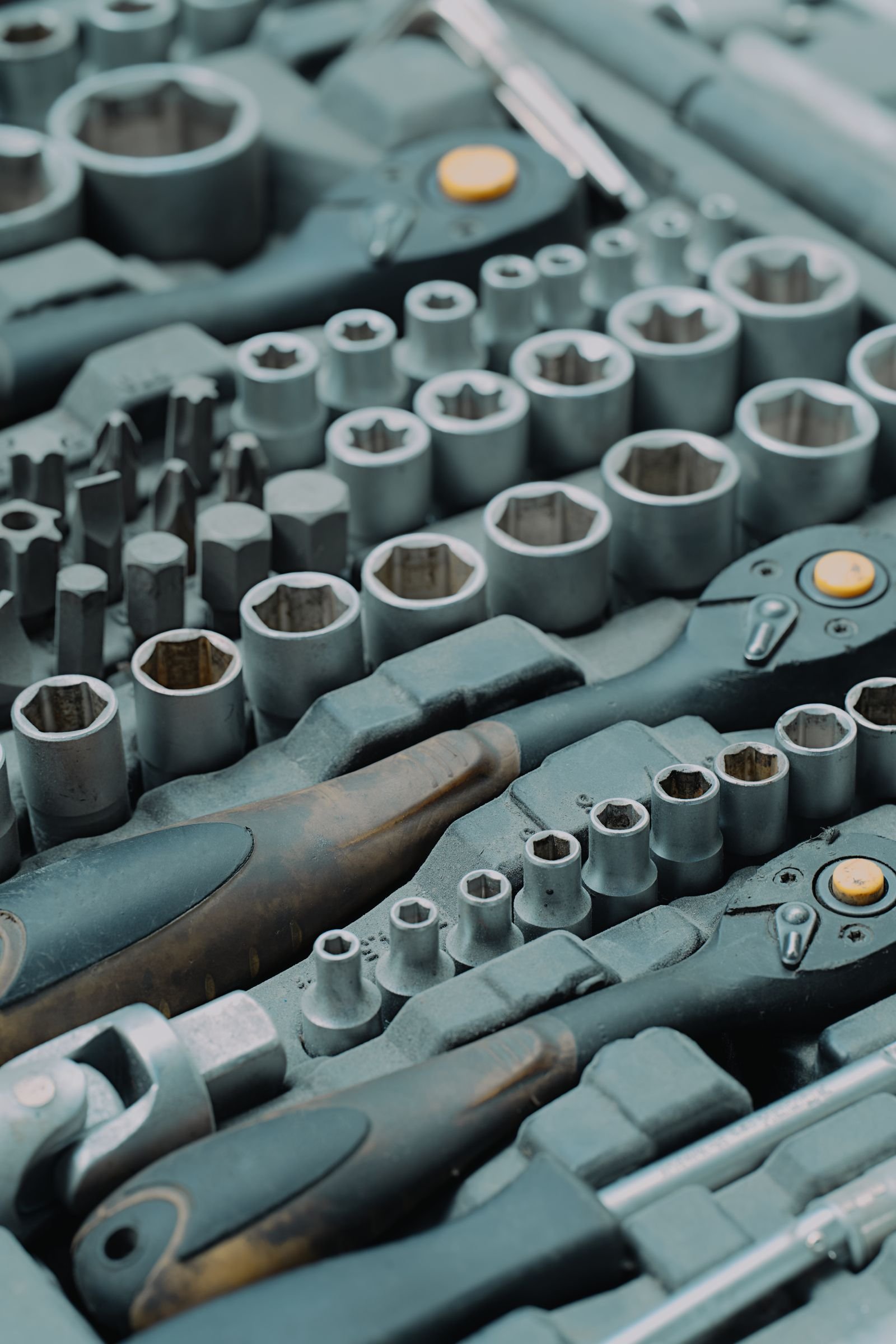
Tools should come in a case or box with organized compartments, so each one has a place and is easy to find. A compact, lightweight case is easy to carry between rooms or outdoors. Good storage also protects the tools and keeps your space tidy.
Popular Types of Home Tool Sets
Tool sets differ in price and quality, and each type suits a different user. From beginners to serious DIYers, there is an option for everyone.
Budget-Friendly Options
Budget sets offer the basics at low prices. They usually include screwdrivers, pliers and a hammer. They work well for small tasks and suit renters or occasional users. Quality is decent but may not last under heavy use.
Mid-Range Choices
Mid-range sets include more tools and better quality, such as wrenches, a tape measure and a utility knife. They suit homeowners who do regular repairs, and the tools often come in a sturdy case. They balance price and durability well, so they are a good choice if you want reliability without paying premium prices.
Premium Tool Sets
Premium sets include a wide range of high-quality tools with stronger materials and better designs. They suit serious DIYers and professionals, last longer, and cover almost every home repair need. Many come with a lifetime warranty, so check the terms before you buy.
Tool Set Maintenance Tips
Good care helps tools last longer and work better. Small habits make a big difference.
Cleaning and Care
After each use, wipe tools with a clean cloth to remove dirt, grease and dust. Use a brush for tight spots, and dry tools completely to stop rust. Apply a light coat of oil to bare metal parts to protect them from moisture. Do not soak wooden handles; wipe them gently instead.
Proper Storage
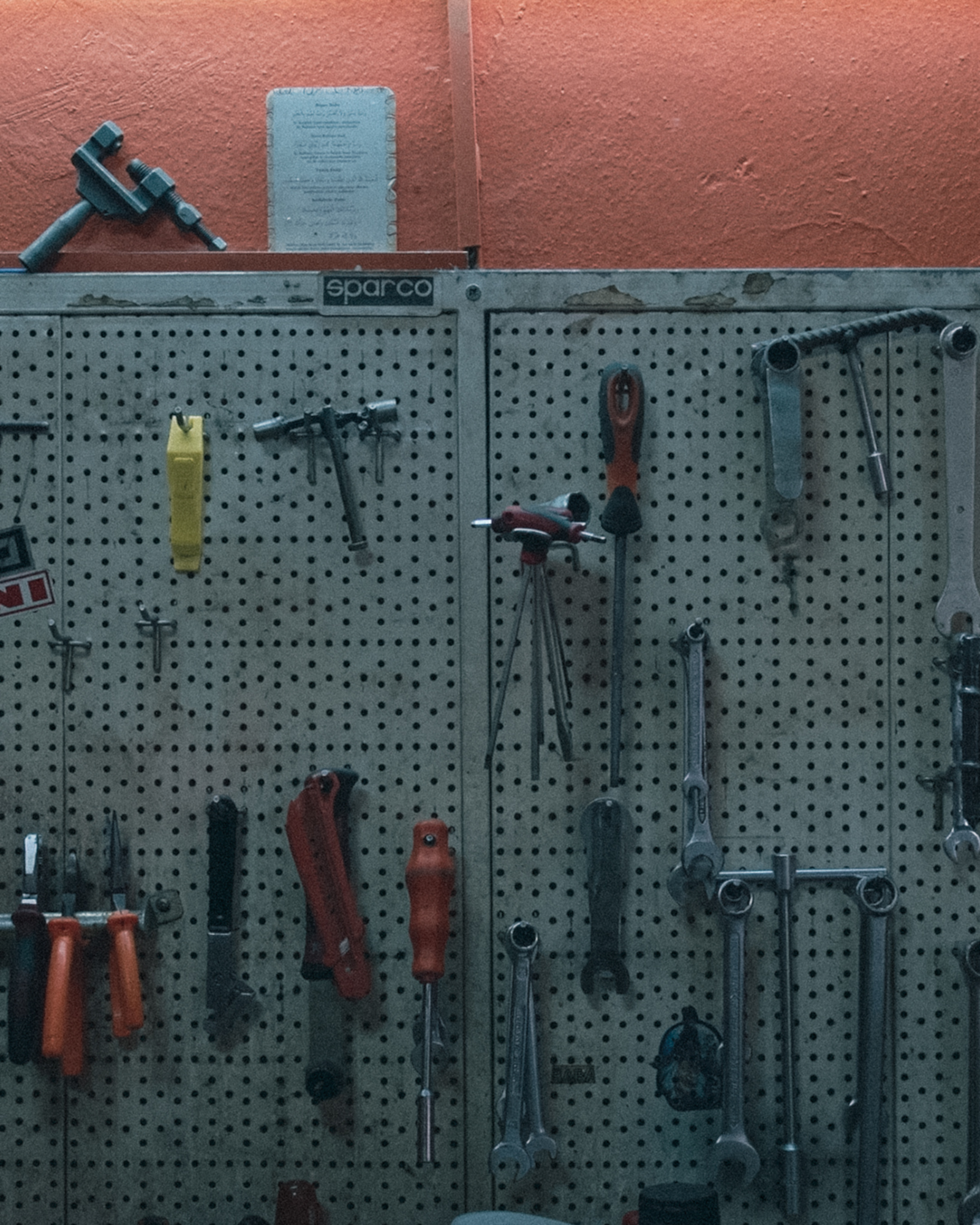
Store tools in a dry, cool place such as a toolbox or on a wall rack. Keep them organized and avoid piling them on top of each other, which can chip edges. Silica gel packs or moisture absorbers in the toolbox reduce rust. If you keep tools in a damp garage or basement, our guide on preventing moisture in your home can help.
When to Replace Tools
Check tools regularly for wear. Replace anything with a cracked handle or bent parts, and swap dull blades and broken tips. Worn tools reduce efficiency and can cause accidents or poor results.
How to Choose the Right Set for You
Not every set fits every home. The best choice depends on what you plan to do and how much experience you have.
Assess Your Home Repair Needs
Think about the repairs you face most often. Do you fix furniture, plumbing or electrical items? A basic set is enough for hanging pictures and tightening screws, while bigger projects need more tools. Make a list of your common jobs before you shop.
Consider Your Skill Level
Beginners do best with simple, easy-to-use sets. Complex tools can confuse you or lead to mistakes. Experienced users need durable, professional-grade gear. Choose tools that match what you know and can handle safely.
Balance Cost and Quality
Do not buy on price alone. Very cheap sets can break or wear out fast. Spend a little more for a reliable set, because good tools last longer and cost less over time. You can also start with a small quality kit and add tools as you need them.
Frequently Asked Questions
What Tools Are Essential in a Home Tool Set?
A basic home set should include a hammer, screwdrivers, pliers, a tape measure and a wrench. These cover common household repairs and maintenance.
How Do I Choose the Best Home Tool Set?
Look for durability, variety and ease of use. Choose a set with the essential tools for your own projects, and read customer reviews before buying.
Are Cordless Tools Necessary in a Home Tool Set?
Cordless tools add convenience and portability but are not essential for basic tasks. Choose them if you prefer easy handling and will use them often.
How Much Should I Spend on a Home Tool Set?
Prices vary with the brand, the number of tools and the features. Budget kits cover simple tasks, while mid-range and premium sets cost more but last longer. Set a budget based on how often you expect to use the tools.
Conclusion
The best home tool set covers the jobs you do most, uses sturdy materials and stores neatly. Think about your repairs, skill level and budget, then pick a set that fits. Keep your tools clean and organized, start with the basics, and add more as your projects grow. With the right kit, home repairs become simple and quick.